
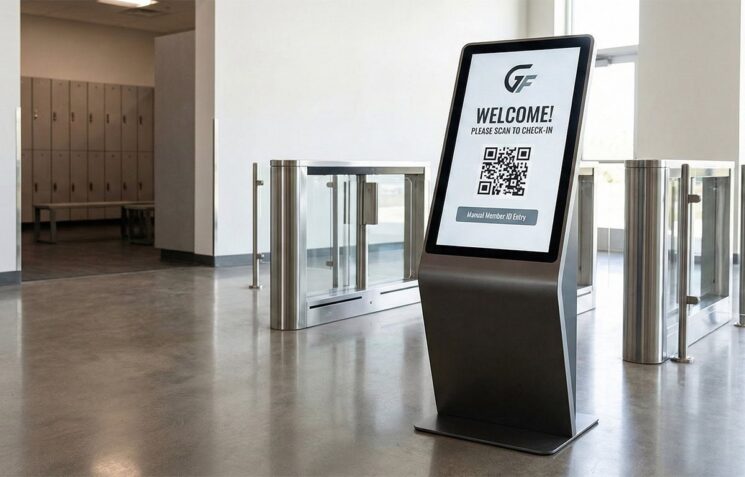
Walk into a modern gym today and you will notice something different right away. Screens are no longer just background noise. They actively guide workouts, keep members informed, and create a smoother training experience. That shift is driven by digital signage for gyms, combined with dedicated workout displays that support real-time training.
Gyms that use this approach well tend to feel more organized, more engaging, and easier to navigate. Members know what to do next without constantly asking staff. Trainers spend less time repeating instructions and more time coaching. That alone makes this technology worth paying attention to.
Why digital signage is becoming essential in modern gyms
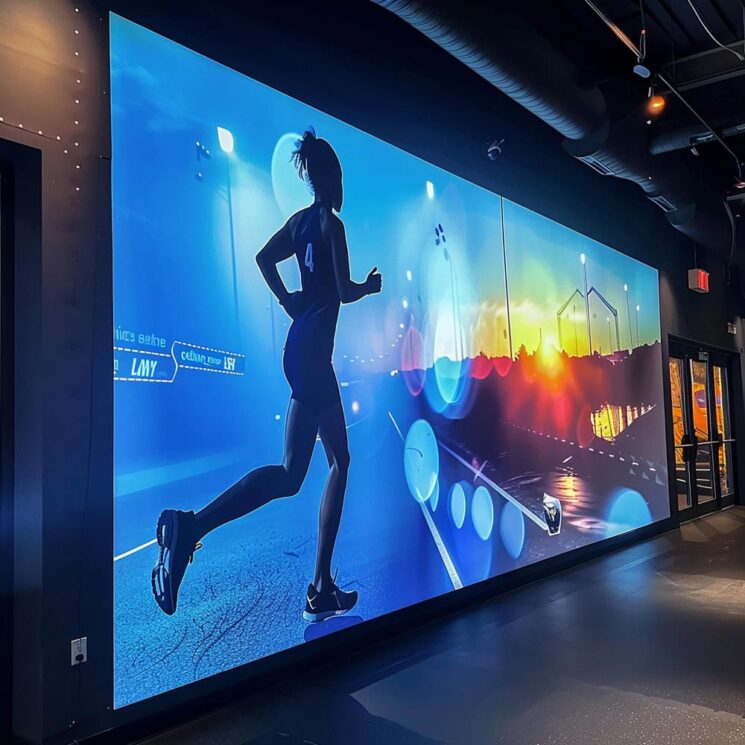
Fitness centers are no longer competing only on equipment. Experience matters just as much. Digital signage helps create that experience by turning static spaces into dynamic environments.
When used properly, these systems deliver real-time updates, schedules, and content across multiple screens. This reduces confusion and keeps everyone aligned during busy hours. According to industry insights, digital displays improve engagement and can even increase additional service sales while saving staff time on manual updates.
Here are a few core benefits worth highlighting:
- Members stay informed with live schedules and updates instead of outdated posters
- Trainers reduce repetitive explanations thanks to clear on-screen guidance
- Gyms build a more professional and modern atmosphere that members notice
- Promotions and services can be displayed naturally during downtime
The result is simple. Less friction during workouts and a stronger connection between the gym and its members.
Workout displays and timers: the real game changer

Not all screens in a gym serve the same purpose. This is where many facilities get it wrong. Digital signage communicates. Workout displays instruct.
A well-designed system includes a workout timer integrated into training screens, which becomes essential during structured classes. Workout timer supports interval formats, station changes, and pacing without interrupting the flow of a session.
Workout displays typically handle:
- Interval timing such as EMOM, AMRAP, or Tabata sessions
- Clear breakdown of workout blocks and exercises
- Visual cues for transitions between stations
- Optional performance metrics like heart rate or leaderboards
Digital signage informs members outside training, while workout displays guide them during active sessions.
This separation matters more than it seems. Mixing both roles on one screen often leads to confusion and missed instructions during workouts.
Station rotation systems that actually improve class flow
If you have ever joined a busy group class, you know how chaotic transitions can get. Station rotation displays solve that problem in a very practical way.
Instead of relying on verbal cues, screens show exactly when to move, where to go, and what comes next. This reduces downtime and keeps energy levels consistent throughout the session.
Here is how rotation systems typically improve performance:
- Members move between stations without hesitation
- Coaches maintain control of class timing without shouting cues
- Beginners feel more confident because instructions are always visible
- Group workouts stay synchronized, even in large classes
Digital signage can also support flow management by showing equipment availability or peak times, helping distribute members more efficiently across the gym floor.
The overall effect is subtle but powerful. Workouts feel smoother, and the entire session runs with less friction.
What to display on gym screens for maximum impact
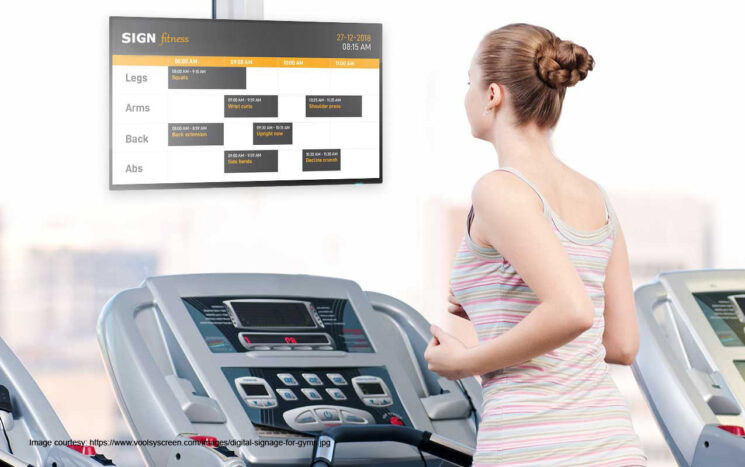
Content matters just as much as the technology itself. A screen that shows random content will quickly be ignored. A screen that delivers relevant information becomes part of the workout experience.
To make that distinction clearer, here is a simple breakdown:
| Area of the Gym | Best Content Type |
|---|---|
| Entrance and lobby | Class schedules, announcements, promotions |
| Training floor | Workout timers, exercise demos, station rotations |
| Cardio zones | Interval timers, entertainment, performance data |
| Waiting areas | Motivational content, tips, community updates |
After looking at this structure, one thing becomes obvious. Each screen has a specific role.
Digital signage in gyms can display schedules, workout tips, and promotions in real time, helping members stay informed and engaged without relying on staff interaction.
If you treat every screen the same, you lose that advantage.
Managing screens without overwhelming your team
One concern gym owners often have is complexity. More screens sound like more work. In reality, the opposite is true when the system is set up correctly.
Modern platforms allow centralized control, meaning all screens can be updated from a single dashboard. Content can be scheduled, adjusted, and deployed instantly across multiple locations.
That brings a few practical advantages:
- Schedule changes update automatically across all displays
- Promotions can be timed to specific hours or events
- Staff no longer need to print or replace physical materials
- Multi-location gyms maintain consistent branding and messaging
Remote management also allows gyms to react quickly. If a class changes or equipment goes offline, updates can be pushed instantly without disrupting operations.
This level of flexibility is one of the main reasons digital signage continues to gain traction in the fitness industry.
Creating a more engaging and motivating environment

There is also a psychological side to this. Gyms are environments where motivation matters, and screens can play a surprisingly important role in that.
Well-placed displays can reinforce focus, provide encouragement, and reduce uncertainty during workouts. Even small touches like countdown timers or progress indicators can push members to stay consistent.
Some gyms use screens to highlight member achievements, share milestones, or display community updates. That builds a sense of belonging, which is a key factor in retention.
Did you know?
Studies and industry data suggest that members are more likely to return and recommend gyms that use modern digital communication tools, simply because the environment feels more organized and engaging.
This is not just about aesthetics. It directly affects how people experience their workouts.
Building a smarter gym experience
Digital signage for gyms is not just about adding screens. It is about using those screens with purpose. When communication and instruction are clearly separated, everything starts to work better.
Workout displays handle timing and structure. Signage handles communication and engagement. Together, they create a system that supports both members and staff without adding complexity.
Gyms that adopt this approach tend to feel more organized, more professional, and easier to navigate. Members stay focused. Coaches stay efficient. And the entire space feels like it runs on rhythm instead of chaos.
If you are thinking about upgrading your gym setup, this is one of those changes that pays off quickly. Not just in efficiency, but in the overall experience people remember after they leave the floor.